

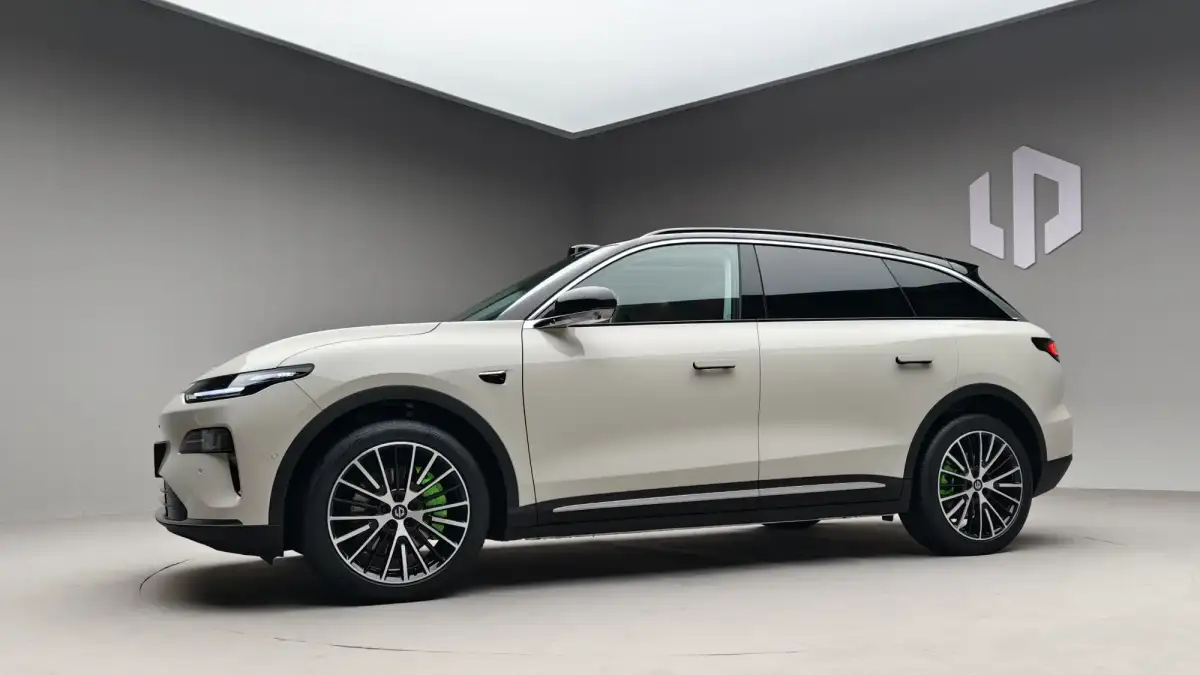
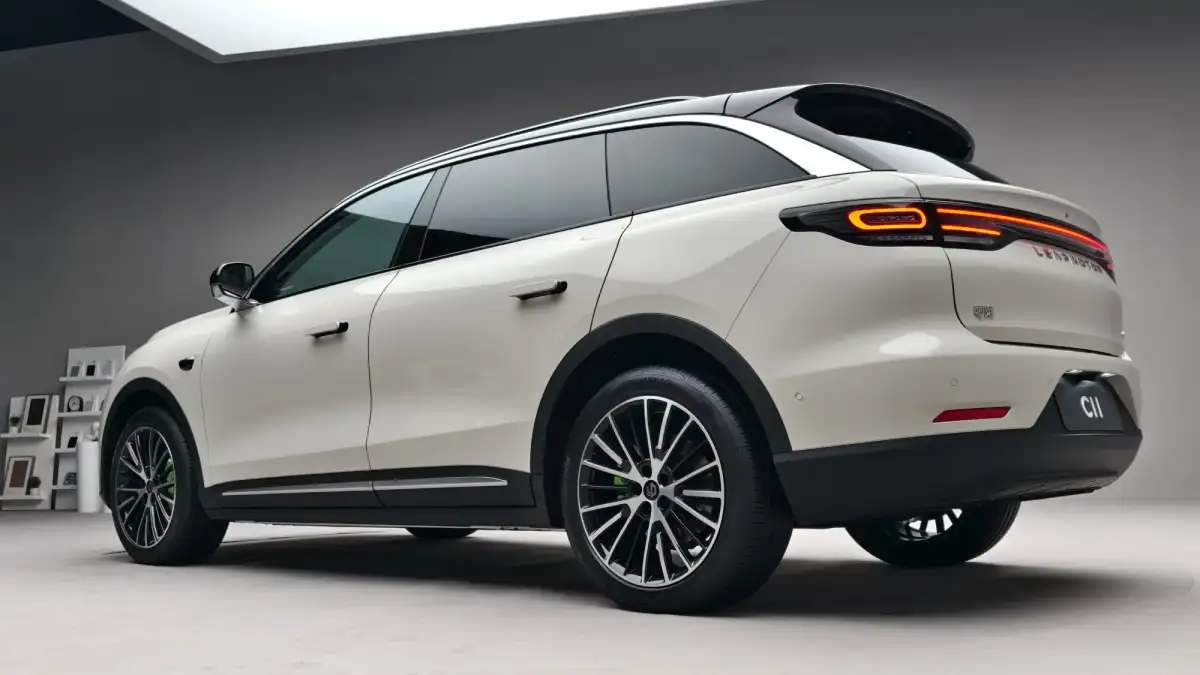
Leapmotor C11 2026 is a refreshed mid-size crossover offered in two concepts: BEV (pure electric) and EREV (electric drive with a gasoline range-extender). In mid-2025 the model received a major update: a unified front design for both versions, improved aerodynamics (Cd ≈ 0.28), an 800-V electrical architecture for the BEV, and a deep overhaul of in-car electronics.
What’s new for 2026
Key changes: the BEV gains a higher-capacity 81.9 kWh LFP battery with a quoted 640 km CLTC range; the EREV features a power unit with a 41.7 kWh LFP battery and up to 300 km in pure EV mode (CLTC), plus ~1,220 km combined range with a full tank and charged battery.
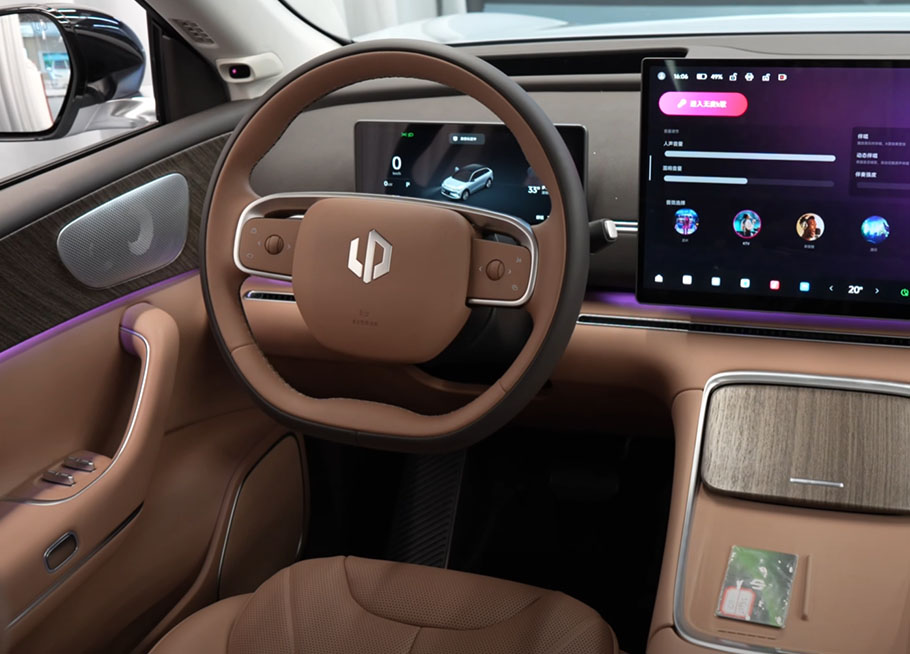
Inside you’ll find a horizontal 17.3″ 2.8K display, the automotive SoC Qualcomm Snapdragon 8295 and Leapmotor OS 4.0 Plus. Upper trims add a ~60″ AR-HUD and lidar as part of enhanced driver assistance.
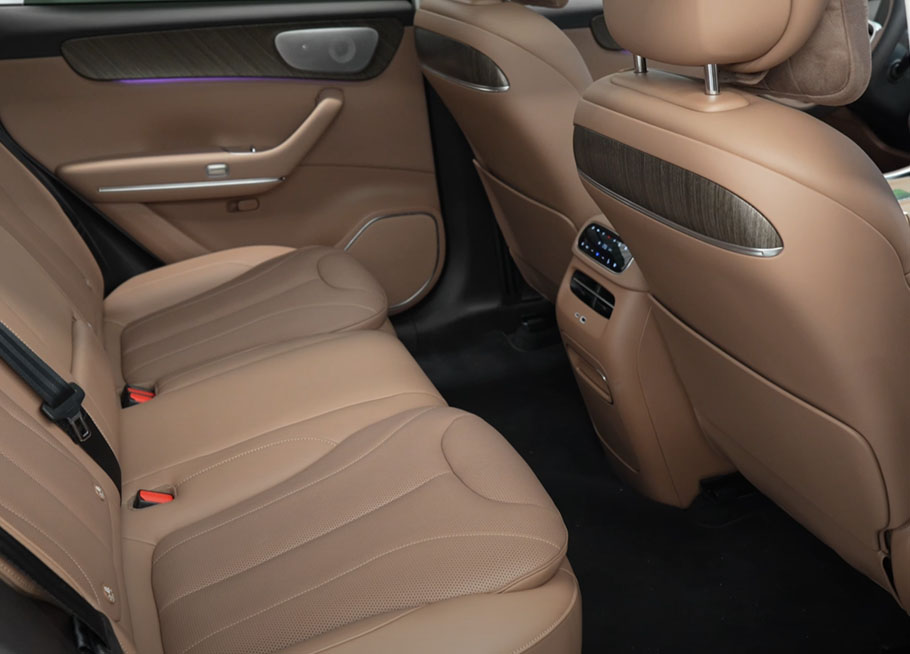
The exterior remains recognisable. Dimensions are 4780 × 1905 × 1658 mm with a 2930 mm wheelbase — plenty of second-row room and a practical boot for family trips.
Versions and powertrains: BEV and EREV
BEV — rear-wheel drive (RWD) with an electric motor around 220 kW / 360 Nm, 0–100 km/h in ~6.1 s, top speed ~190 km/h. The headline here is the 800-V platform and large LFP pack: a quoted 640 km CLTC.
EREV — electric drive with a gasoline generator (1.5 L). The rear motor delivers about 200 kW / 320 Nm, 0–100 km/h in ~7.6 s. In the city it runs as a pure EV (~300 km CLTC); on the highway the generator extends total range to ~1,220 km.
In short: if you have regular access to fast charging, the BEV makes the most sense; if your trips are long and the charging network is patchy, pick the EREV for peace of mind.
Battery, range and charging
BEV: LFP pack 81.9 kWh; up to 640 km CLTC. On an 800-V system, a “30→80%” fast-charge session typically takes about ~18 minutes in favourable conditions (station and temperature permitting).
EREV: LFP pack 41.7 kWh for urban EV use and a combined ~1,220 km with the range-extender. In real life it’s fair to apply a 20–30% correction to CLTC figures depending on speed, temperature and terrain.
Interior, electronics and driver aids
The central 17.3″ 2.8K display, Snapdragon 8295 and Leapmotor OS 4.0 Plus deliver a quick UI and rich features — from media to assistance systems. Upper trims add AR-HUD and lidar, expanding the capabilities of driving and parking aids.
Ergonomics have been revised: two wireless charging pads, a new steering wheel and a simplified dashboard layout — fewer “menus for the sake of menus” and faster response to gestures/voice.
Early impressions are positive on tech and features; the usual caution applies to CLTC numbers — independent tests typically show lower real-world figures, which is normal for any lab cycle.
Dimensions, chassis and performance
Body size — 4780 × 1905 × 1658 mm, wheelbase 2930 mm. A drag coefficient of ~0.28 helps both efficiency and cabin quietness.
Performance: BEV (RWD ~220 kW) — about 6.1 s to 100 km/h; EREV — ~7.6 s. Solid numbers for a C-SUV.
The suspension is tuned for comfort and long journeys; final feel depends on tyres and wheel size, but the baseline is family-friendly comfort.
Trims and options
Upper trims offer lidar, an expanded camera/radar suite, AR-HUD, premium audio, leather and enhanced assistance features. Differences in equipment between BEV and EREV are minor — the main choice is the powertrain and charging scenario.
For the best price/tech balance, mid-level trims are often the sweet spot — key tech without overpaying for decorative extras.
Prices and availability
Chinese pre-sale guidance: EREV — 158,800–168,800 CNY, BEV — 165,800–175,800 CNY. After sales began, reports mentioned from ~$20.9k (depending on version). Export pricing is higher due to logistics, duties and VAT.
International expansion is handled by Leapmotor International, a JV with Stellantis. In Europe the first models were T03 and C10; the lineup is expanding step-by-step — timing and specs for C11 depend on local certification.
On “grey” markets across the CIS you’ll find turnkey offers, but prices change quickly — verify current figures with specific sellers.
Should you buy it? A quick take
Choose BEV if fast chargers are available on your routes and you want the quietness/efficiency of a pure EV.
Choose EREV if you travel far and irregularly — EV in the city, range-extender on the highway without “charging anxiety”.
Either way, the C11 2026 stands out with rich in-car tech and a competitive balance of price and equipment.
FAQ
How do EREV and BEV differ on the Leapmotor C11 2026?
BEV — 800 V, 81.9 kWh LFP and up to 640 km CLTC; EREV — 41.7 kWh LFP, ~300 km EV and ~1,220 km combined range.
What are the prices and when to expect it outside China?
In China: EREV 158,800–168,800 CNY, BEV 165,800–175,800 CNY; export pricing is higher. European rollout is phased via the JV with Stellantis.
What’s new in the cabin?
17.3″ 2.8K display, Snapdragon 8295, Leapmotor OS 4.0 Plus; AR-HUD and lidar on upper trims.