

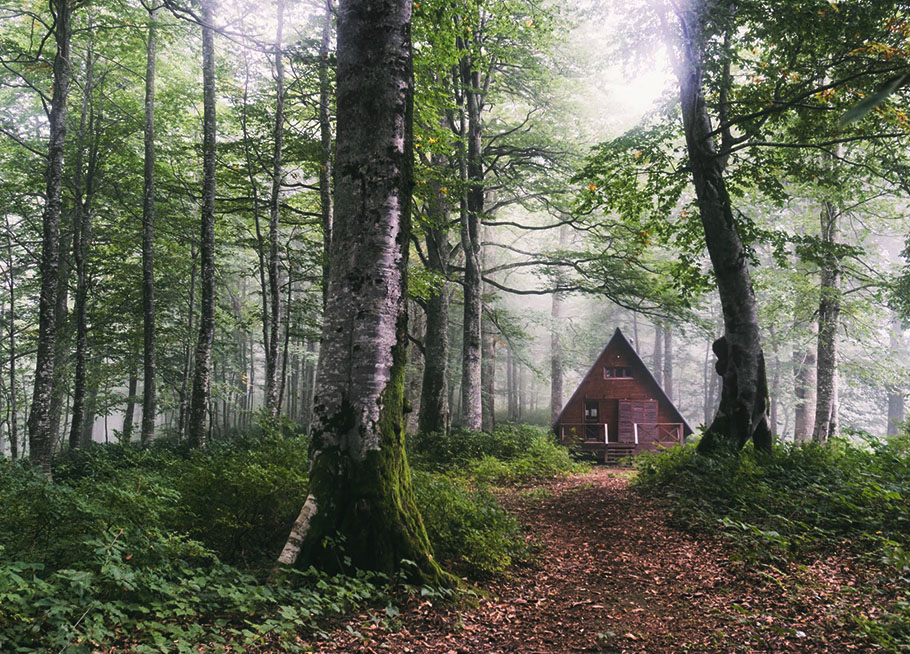
Mtirala National Park is Adjara’s relic subtropics where rain doesn’t ruin the trip—it sets the mood. The name translates as “weeping mountain”: there’s so much precipitation that greenery doesn’t just grow, it advances. Expect lush ferns, moss on every log, and waterfalls that rarely take a day off.
The park lies between the municipalities of Kobuleti and Khelvachauri. Most visitors start from the seaside settlement of Chakvi, then take a narrow mountain road to the village of Chakvistavi and the visitor center. On paper it’s simple: a short climb, parking, ticket office, trail map. In practice, budget a little extra time for switchbacks and those inevitable “let’s inhale the mist and take ten photos” stops.
Seasonality matters but isn’t dramatic. Spring brings clearer air, autumn deeper colors, summer is comfortable yet humid, and winter turns the park into an intimate set piece—few people, more echo. Universal rule: check the forecast, pack a shell, and don’t argue with the weather—it wins anyway.
Where Mtirala National Park is and why it’s called that
Mtirala sits in the path of Black Sea winds, hence the almost comically generous rainfall. That’s what creates the “jungle” effect: foliage doesn’t burn out, soil holds moisture, and modest streams become noisy cascades. If you’re used to dry treks, the format here is different—soft mud underfoot and fresh air year-round.
Practically, it means the trails are rarely “sterile.” You’ll step across stones, walk damp boardwalks, and occasionally tiptoe roots. In return you get scenes that in dry regions have to be “pulled” in post. At Mtirala nature provides its own contrast and softbox.
“Weeping mountain” isn’t marketing. In various years the area logs some of Transcaucasia’s highest rainfall totals. In traveler speak: there’s no bad weather, only the wrong shoes. Pick soles with aggressive tread—problem solved.
How to get there: from Batumi, Kobuleti and Tbilisi
From Batumi the drive takes about an hour. Follow the E70 to Chakvi, then turn onto the mountain road to Chakvistavi and the park’s visitor center. After Chakvi, speed is set by bends and sightlines—the road is narrow, but the views pay back the extra ten minutes.
From Kobuleti the logic is the same: first to Chakvi on the coast, then uphill to the visitor center. Without a car, public transport reaches Chakvi/nearby villages, and a short taxi covers the last stretch. Count on 60–90 minutes not including photo pauses.
From Tbilisi it’s a proper trip: 5–6 hours at an easy pace. Technically you can do a there-and-back in a day, but an overnight on the coast is kinder: morning in the park, evening by the sea, next day you move on without rushing. That way you get an experience, not a checkmark.
Routes and activities: trails, waterfalls and the visitor center
Mtirala’s trails aren’t “laps around a stadium.” They’re loops of different lengths and difficulty with bridges, boardwalks and viewpoints. Short routes lead to waterfalls and small lakes—ideal if you want to “taste” the park in 2–3 hours. Longer tracks are about rhythm and breath: elevation gain, forest silence and a few voices on the wind.
The starting point is the visitor center near Chakvistavi. Here you’ll find maps, rules, sometimes hot tea, and current advice on trail conditions. If you come after rain, set priorities: first the good boardwalks and bridges, then experiments with less-traveled sections. The park maintains the routes, but nature edits them now and then.
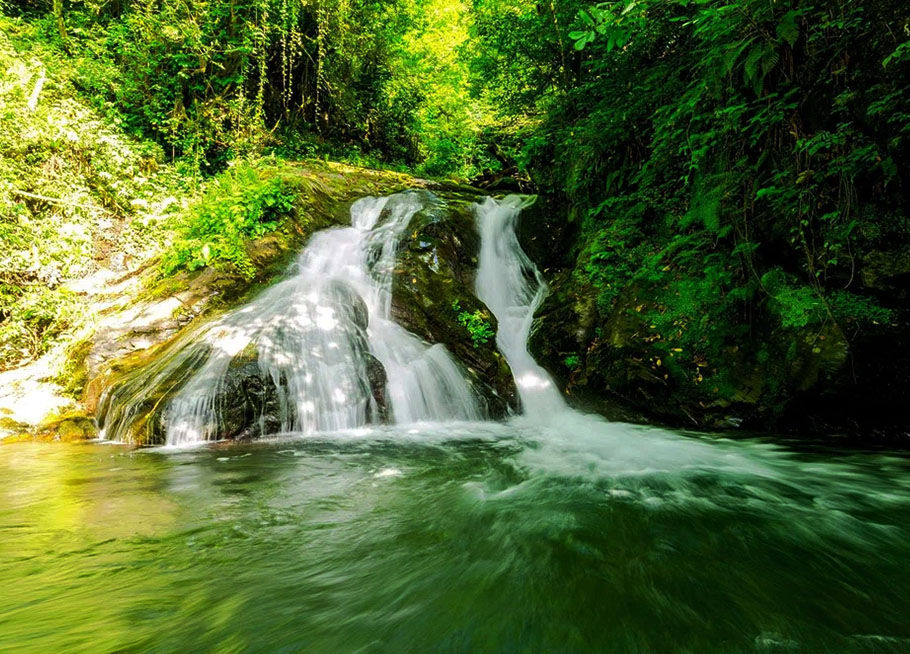
Water is part of the show. Streams and cascades aren’t background—they co-star. In sunshine, light splinters on spray; in overcast, water turns silky. Photographers know the deal: your frames “breathe” even without heavy editing.
Zipline and ropes course: status, limits and alternatives
Mtirala’s zipline has long been one of its signatures: gliding above a green corridor with a neat hit of adrenaline. However, its operating status changes by season—maintenance or reduced hours do happen. The simple fix: confirm at the visitor center on the day and don’t build your whole plan around a single activity.
The ropes course typically has family and adult circuits. Technically it’s an add-on to the trails, but for kids it can be the day’s highlight. In peak season factor in queues: patience and shoes with solid grip save the mood.
If the attractions pause, switch to classic trekking. That’s not “Plan B” but a full program: a short loop to a waterfall, an unhurried lunch near the visitor center, and the return by the same route with fresh angles. It’s hard to be bored at Mtirala—even if the zipline is resting.
When to go: seasons, weather and photo light
Spring is about clarity and freshness. Water is lively, the forest “breathes,” and crowds are still thin. Contrast stays gentle thanks to frequent mist.
Summer is comfortable temperature-wise but humid. To dodge queues, arrive at opening or near closing: golden hour in green corridors is the best antidote to “flat” frames.
Autumn and winter suit those who like things intimate. Autumn brings dense color and velvet water; winter means shorter hours yet the feeling the park is “just for you.” Bring layers, lower expectations of the weather—and Mtirala pays you back generously.
Practicalities and safety: clothing, surfaces, parking
The dress code is simple: a light rain jacket, trail shoes, splash cover for your gear and drinking water. Umbrellas are cute but clumsy among trees; a shell works better. For longer loops pack a spare shirt—humidity does magic to backs and moods.
Trail surfaces mix soil and boardwalks. After rain, rocks and roots are slick, so heel-to-toe striding isn’t your friend. Keep an easy pace, shorten your steps, and use the railings—three pillars of a good walk in this park.
There’s parking by the visitor center, but basics still apply: keep valuables out of sight and lock up. Mtirala is safe, but predictability is part of relaxing. Save adventures for the trails, not the lot.
Reviews: what to expect and why people love the park
The tone of reviews is consistently positive: “wild, beautiful, humid” are the three words that repeat most. Visitors praise the maintained trails, clear wayfinding and the contrast between the seaside buzz and this “forest bath” an hour away.
Criticism is predictable: without a car it’s trickier, public transport demands patience and a taxi for the last segment. Seasonal hiccups with attractions pop up too. The hack is simple: a transfer or car rental removes half the friction.
Bottom line: Mtirala is green therapy. It’s easy to switch off, slow down and return to the coast as a different person. No enlightenment promised, but the contrast after a noisy promenade is felt even by skeptics.
FAQ
How do I get to Mtirala without a tour?
Use Chakvi as your anchor. Drive to the settlement on the highway, turn onto the mountain road and after 15 km you’ll reach the visitor center. Without a car: minibus to Chakvi/Khala and a short taxi. From Tbilisi it’s smarter to plan an overnight on the coast and go in the morning.
When is the best time and what should I bring?
Spring and early autumn are optimal. Summer is comfortable but humid and busy; winter is intimate with shorter hours. Minimum kit: rain shell, shoes with grip, protection for phone/camera and water. The rest depends on weather and ambition.
Is the zipline and ropes course open year-round?
No. Schedules depend on season, weather and maintenance. Sometimes attractions close for technical work. Check day-of status at the visitor center to avoid waiting and to plan your route right.